A garden that looks after itself is a bit of a myth. A garden that needs an hour a week, though, is well within reach — and the difference usually comes down to decisions made long before the first plant goes in. The trick is to design out the jobs you keep postponing: the mowing, the endless watering, the weeding between shrubs. Gravel, raised beds, ground cover and a bit of irrigation do most of the heavy lifting. Here is how to put them together.
Start with the Bones, Not the Plants
Before you order a single perennial, decide honestly how much time you have. If the answer is an hour a week, that rules out a large, irregular lawn, a dozen fiddly island beds and a collection of pots that need watering twice a day in July.
Aim for a garden you can keep on top of with an hour a week — then design backwards from there.
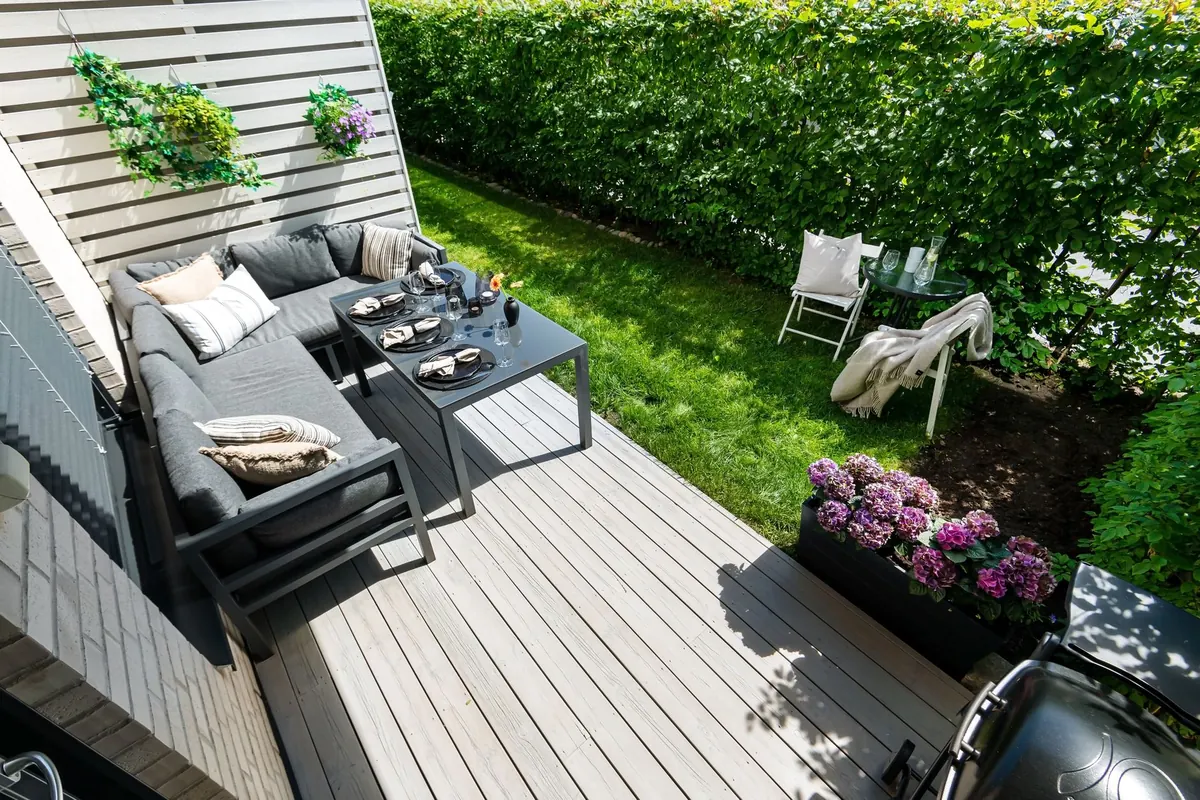
Reduce grass to one simple shape: a rectangle, or a generous circle if you want something softer. Give it a proper edge so you can mow without strimming, and keep a narrow strip of hard standing beside it. If children need space to run, keep the lawn but make it the only lawn.
Widen the beds. Borders less than a metre deep are awkward to plant and they suit weeds far better than they suit shrubs. Group plants in generous drifts instead of dotting them about one here and one there, and connect the beds with a path so you can reach everything without stepping on soil. Good bones make every later job quicker.
Gravel That Stays Where You Put It
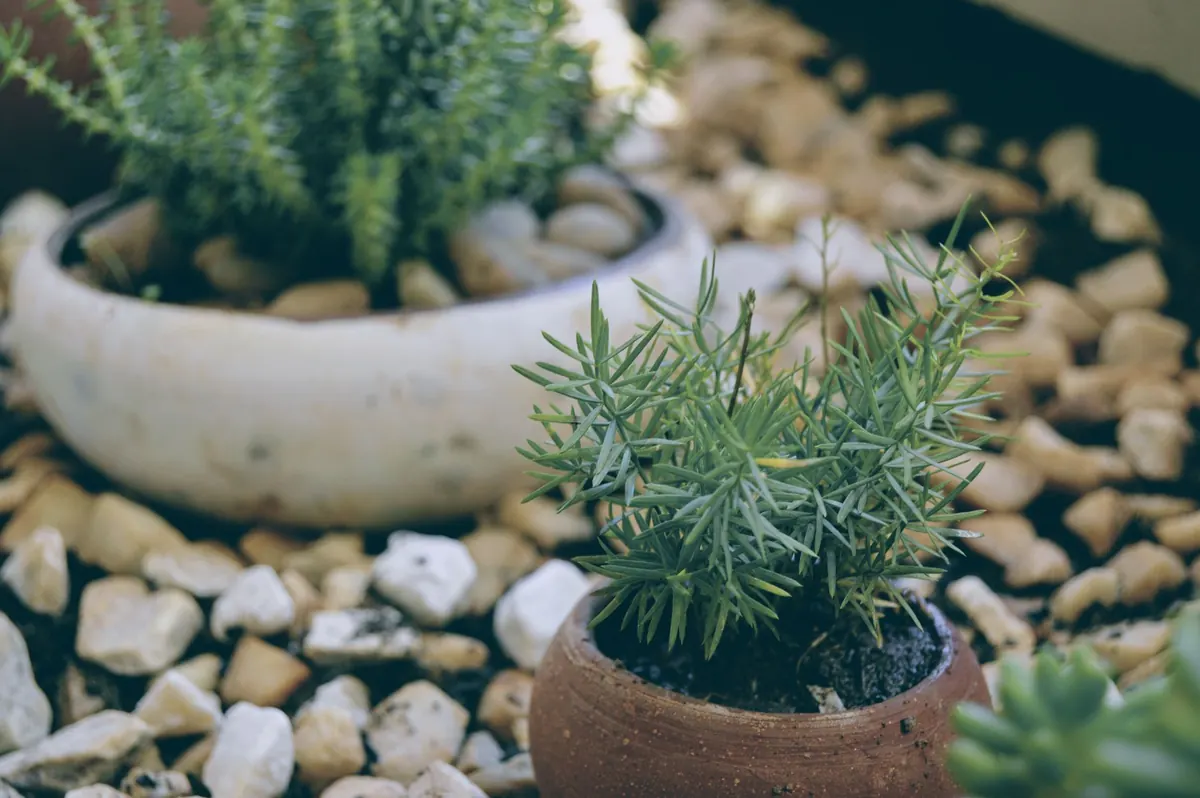
Gravel covers ground fast, drains freely, never needs cutting and hides a multitude of sins. Choose angular gravel rather than rounded pea shingle for paths and driveways — rounded stones roll underfoot and migrate into the lawn. A 10–20mm grade is a sensible all-rounder.
Lay it about 40–50mm deep over a weed-suppressing membrane for a decorative finish, and deeper on anything that carries foot traffic. Weeds will still germinate on top, because seeds blow in, but they pull easily when small. Rake off leaves in autumn and top up the gravel every year or two, and it will look tidy for a decade.
Edging earns its keep
Steel edging, granite setts or treated timber all do the same essential job: they stop gravel wandering into beds and onto paving. Set the edge slightly below lawn level so the mower runs straight over it. Without an edge, gravel spreads and you spend your weekends sweeping.
Raised Beds: Better Soil, Less Bending
Raised beds let you control the growing medium, raise the working height and decide exactly where the weeds will appear — which is to say, in a manageable rectangle rather than everywhere at once.
For salads, herbs and most roots, 25–30cm of soil is enough. Go deeper for carrots and long-rooted crops, and around 45cm if you want a comfortable seat on the edge. Keep beds no wider than 1.2m so you can reach the middle from either side without climbing in.
Untreated durable timber — oak, sweet chestnut or larch — lasts well and avoids any question about treatments. If you are unsure, line the inside with a membrane before filling. A mix of topsoil and well-rotted compost, topped with a 5cm mulch, will settle into something genuinely low-effort. Avoid old railway sleepers of unknown origin, particularly near anything you plan to eat, and check with a professional if you are unsure about soil contamination on your site.
Ground Cover: Plant Thickly, Weed Rarely
Bare soil grows weeds. Densely planted soil does not, because there is no light left for seedlings. Aim for a continuous carpet rather than spaced-out specimens: five to seven small perennials per square metre is a reasonable target.
Clear perennial weeds first — ground elder, bindweed, couch grass — because ground cover hides them rather than killing them. Then plant, water in, and mulch the gaps while the plants knit together.
- Sun and dry soil: hardy geraniums, lamb's ears, thyme, sedum, lavender on free-draining ground.
- Shade: epimedium, hellebores, ferns, ajuga and sweet woodruff.
- Dry shade under trees: ivy, liriope and Geranium macrorrhizum, which shrugs off root competition.
- Damp corners: astilbe, ligularia and moisture-loving ferns.
A word of warning: some ground cover spreads aggressively. Periwinkle and snow-in-summer are useful on a bank and a nuisance in a small bed, so check before you plant.
Irrigation: Water Deeply, Water Less Often
Little and often is the worst way to water. A daily sprinkle encourages shallow roots that need even more water the following week. A deep soak twice weekly, right down to the roots, builds plants that cope on their own.
- Group thirsty plants — pots, vegetables, newly planted shrubs — into the same beds, so you only drag a hose to one or two places.
- Run a drip line or porous soaker hose through those beds, under the mulch where possible.
- Add a battery or mains timer so watering happens in the early morning, when less is lost to evaporation.
- Mulch everything with 5–7cm of bark or compost. This is the single most effective step for reducing watering.
- Check the system every few weeks: blocked emitters, a flat battery and a kinked hose are the usual culprits.
If you connect anything to the mains supply, follow the manufacturer's instructions and check your local water regulations; a filter and pressure reducer will protect the line. A water butt with a tap is a simpler option for smaller gardens and handy for pots.
Plant for the Site You Have
Most high-maintenance gardens are a mismatch between plant and place. A plant in the wrong soil needs feeding, staking and coaxing forever; the same plant in the right spot needs almost nothing. Choose evergreens and good structural shrubs for year-round shape, repeat a few reliable favourites rather than collecting one of everything, and avoid anything that needs clipping three times a year. The right plant in the right place will always beat the expensive plant in the wrong one.
A Maintenance Routine You'll Actually Keep
Low maintenance is not no maintenance. It is a short, predictable list of jobs done at the right time. In spring, mulch the beds, re-cut the lawn edges and top up the gravel. Through summer, deadhead, water deeply and run a hoe through any gaps once a week. In autumn, clear leaves, plant new shrubs while the soil is warm, and cut back what has flopped. In winter, prune the structure, sharpen your tools and plan next year's changes over a cup of tea.
Ten minutes walking round with a bucket, two or three times a week, will keep on top of more than a lost weekend in June ever will. Build the garden around the time you genuinely have, and it will look after itself far more than you expect.
Photo: Rambeloson Gaëtan / Pexels