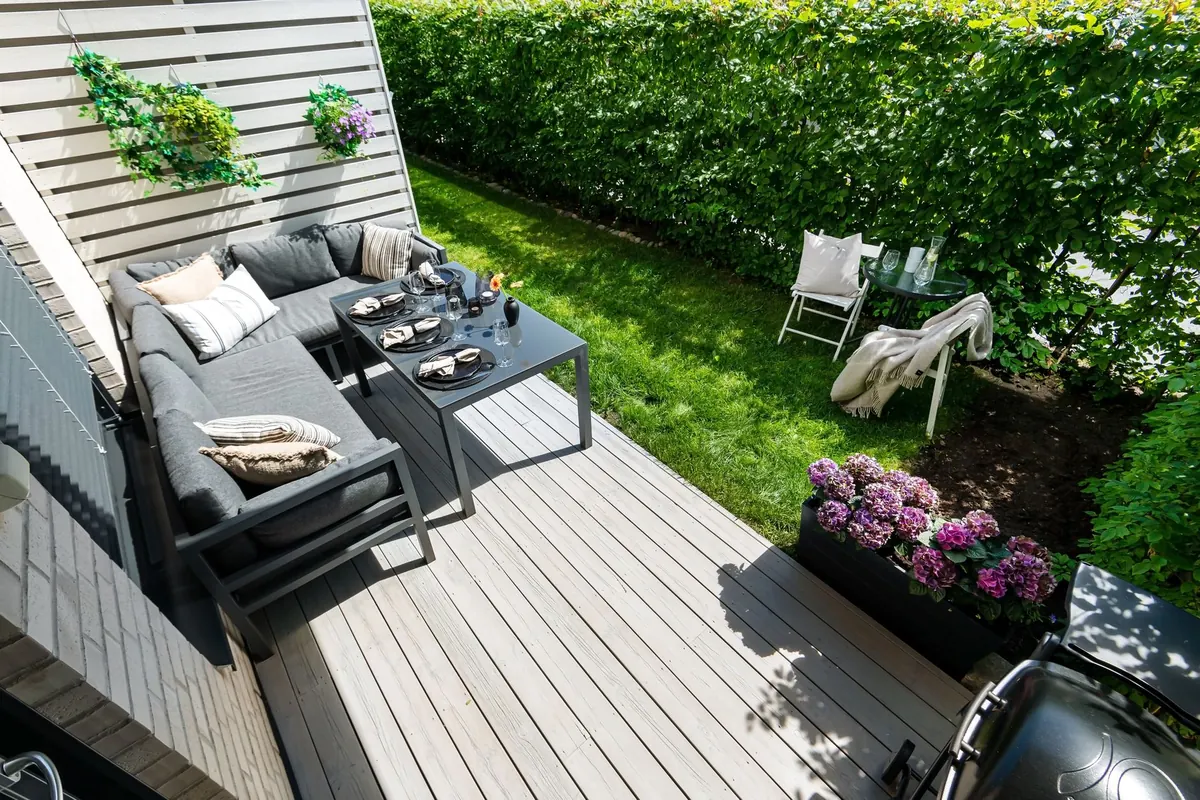
A retreat doesn't need a designer or a big budget. It needs a corner you actually want to sit in — somewhere to put a mug down, put your feet up, and stop looking at the neighbour's trampoline. Two square metres is plenty. Deal with three things in order: block what you don't want to see, find somewhere comfortable to sit, then light it so you use it after dark, not just at lunchtime.
Start with the corner you already have
Before you buy anything, spend twenty minutes outside with a tape measure and a mug of tea. Notice where the sun lands in the morning and again in the late afternoon; a spot that holds the evening sun is worth more than a bigger one that goes cold at five. Check the wind, because garden corners funnel it. Be honest about the walk from the back door, too — a nook you can reach in ten seconds gets used in March, while one at the end of the garden gets used twice a year. Then look at what's underfoot. Paving and decking need no preparation; grass and gravel will swallow chair legs unless you put a mat down.
Screening that hides the world for very little
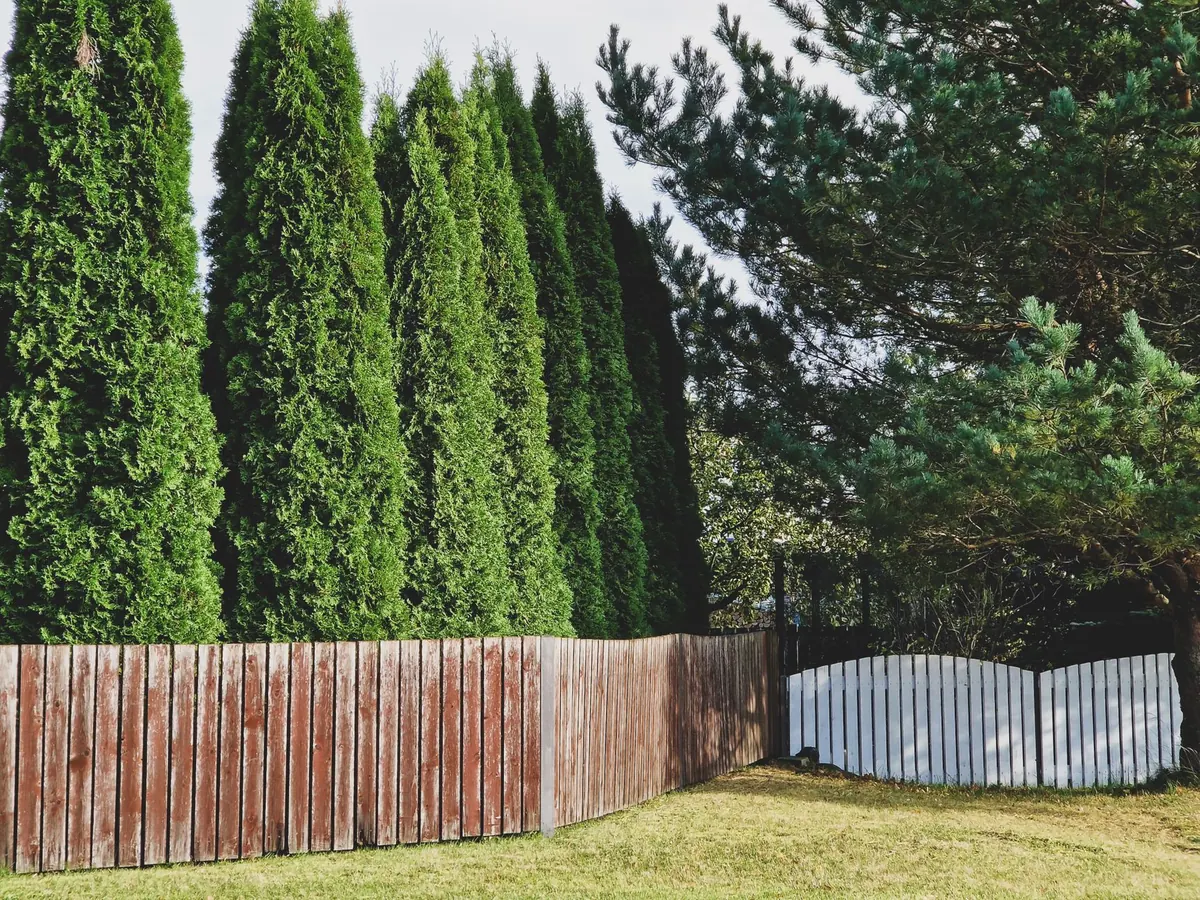
Privacy is what turns a bit of garden into a room, and you don't have to replace the fence to get it.
- Reed or willow screening. Rolled screening is often the cheapest way to cover a lot of fence quickly. Fix it to battens rather than relying on cable ties, so wind can't rip it loose.
- Trellis and something that climbs. Sweet peas, nasturtiums and runner beans romp up a frame in one season; jasmine, honeysuckle and clematis come back every year. All of them need watering and something to hold on to.
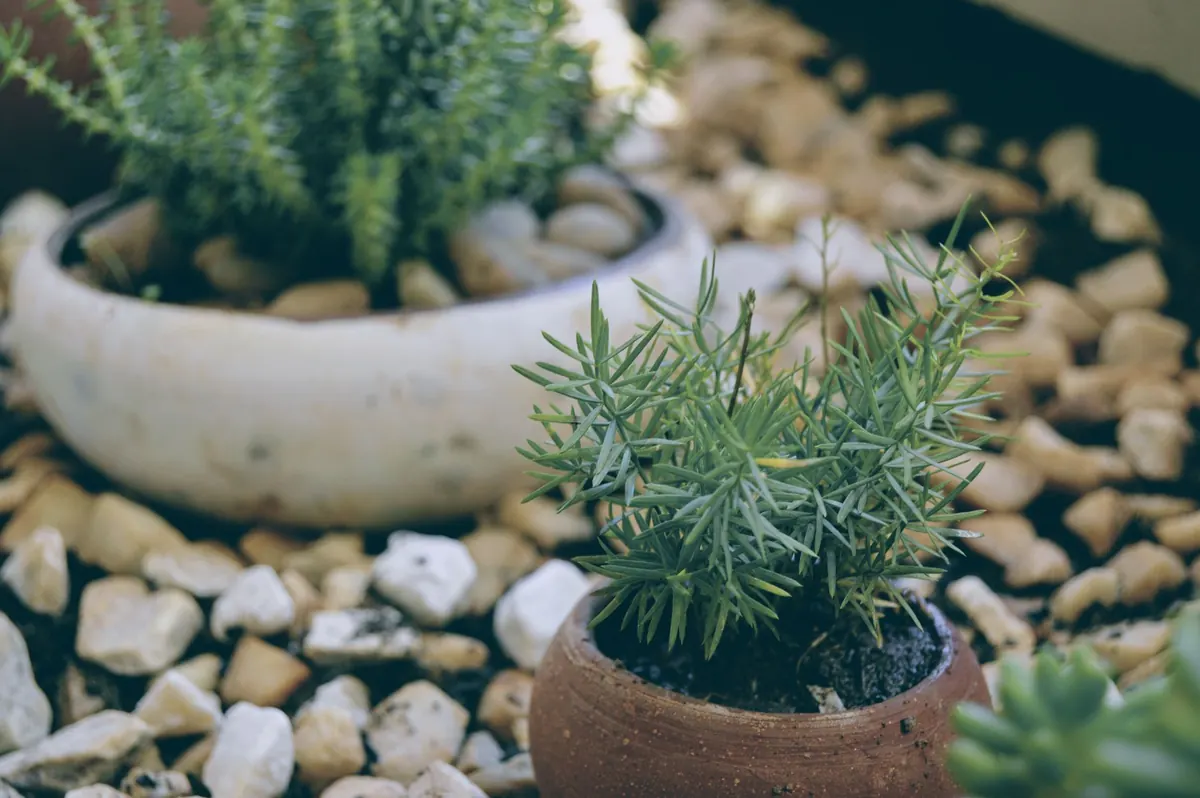
- Evergreens in pots. Tall potted shrubs give instant height you can move around. Clumping bamboo such as Fargesia, photinia, skimmia or bay all work; keep them in pots to control the roots.
- Fabric overhead. A shade sail or a length of weatherproof canvas strung above the seating screens you from upstairs windows and takes the glare out of a hot afternoon.
Anchor anything you hang properly. Screening that flaps itself to bits in the first gale is money wasted. If you rent, check your tenancy agreement before fixing anything to walls or fences, and check with your local council before building anything permanent — fencing rules vary across the UK and taller fences often need permission.
Lighting: the cheapest way to make it feel special
Warm light, at low level, in more than one place. Cold white light makes a garden look like a car park; warm white makes it look like a room, so check the box says warm white rather than daylight. Solar and battery lights have improved enough to run a whole nook without cables.
- Overhead. A festoon or string of bulbs hooked across the seating gives the effect of a ceiling.
- Low level. Stake lights along a border, a lantern on the table, one small uplight aimed into a shrub, or a jam jar with an LED candle inside.
Two details are worth the effort. A mirror on a sheltered wall bounces light back and makes a narrow nook feel wider, and a timer or dusk-to-dawn setting means you never have to remember to switch anything off. If you use mains-powered lights outdoors, choose fittings rated for outside use and plug them into an RCD-protected socket. Never leave real candles burning unattended, and keep flames clear of screening, dry plants and throws; LED candles do most of the job without the risk.
Comfortable seating without garden-centre prices
Comfort beats style. Sit on it before you commit: a seat roughly 40–45cm high, with a back you can lean against, will keep you outside for an hour instead of ten minutes.
- Second-hand timber. Benches, folding chairs and sturdy crates with a cushion on top all do the job, and a coat of paint hides a great deal.
- A pallet bench. Cheap, sturdy, and you can build it to whatever length the space allows.
- A storage bench. Doubles as somewhere to keep cushions and throws dry.
Keeping cushions dry is what decides whether you use the space or just look at it. A lidded plastic box beside the seating is worth the money, and it's worth bringing cushions indoors during long wet spells.
Small touches that do the heavy lifting
Think about what makes a corner habitable indoors — texture, scent, light, a rug underfoot, a flat surface for a drink — and repeat it outside. A weatherproof rug or a couple of mats stops gravel and grass feeling like camping, and a small side table (a plant stand, an upturned crate, an old stool) gives every chair somewhere to put a glass. A throw in a basket means you sit out in a jumper rather than giving up at eight o'clock.
Plants earn their place. Pots at eye level, herbs within reach, and something scented near the seat: lavender, jasmine, night-scented stock and honeysuckle all work, and they bring in insects, which makes a space feel alive. Stick to two or three pot sizes and two or three colours and the result looks deliberate rather than random.
A realistic weekend plan
Do it in stages, and spend first on what you touch and look at most.
- Sit in the spot for ten minutes. Work out what you're looking at and where the sun goes. That tells you which side needs screening.
- Clear and level. Cut back anything in the way, pull the weeds, and decide what's going underfoot.
- Screen first. Fence screening, trellis, a couple of tall pots. Privacy makes everything afterwards feel worth doing.
- Seating next, placed against the screen rather than out in the open. Add cushions and a rug.
- Lights last, once you know where you'll sit. String above the seat, low lights around the edges.
- Add one nice thing. A pot of lavender, a small fire bowl, a wind chime. One, not five.
Fire bowls are lovely on a cool evening, but keep them clear of screening, dry planting and overhanging branches, never leave a fire unattended, and check whether they're allowed where you live before spending anything.
Make it yours — and use it
The retreats that work are the ones that get sat in. Start with a screen, a seat and a string of warm lights, then add gradually: a cushion in a colour you like, another pot, a table big enough for two mugs. A slightly imperfect corner you use every evening beats a perfect scheme you're still saving for.
Photo: NoName_13 / Pixabay