You’ve seen the screenshots. The guy who turned $50 into $12,000 on a single slot spin. The poker player who called an all-in with seven-deuce offsuit and busted aces. The bettor who nailed a 15-leg parlay for a six-figure payout. These moments are real, but they aren’t the full story. The iGaming world is a noisy, flashy ecosystem, and if you want to survive—let alone profit—you need to understand the one force that connects every slot spin, every river card, and every injury-time goal: variance. Most players never truly grasp it. They chase losses, misread hot streaks, and confuse luck with skill. This article isn’t about hype. It’s about the practical mechanics of variance, how it differs across verticals, and how you can tilt the odds—even slightly—in your favor.
Slots: The House Edge Doesn’t Care About Your Feelings
Let’s start with the most straightforward form of gambling: slots. Modern video slots are not random in the way most people think. They use a Random Number Generator (RNG) that cycles through thousands of outcomes per second. When you hit spin, it freezes on one result. The payback percentage (RTP) is baked in—typically 94% to 97% for online slots. That means for every $100 wagered, the machine returns $94 to $97 over millions of spins. The house keeps the rest.
But here’s the trap: variance on slots is brutal. A high-volatility slot like Book of Dead might pay out 5,000x your stake, but you could easily spin 500 times without a single bonus round. Low-volatility slots like Starburst pay smaller amounts more frequently, but the RTP remains roughly the same. Your choice of volatility doesn’t change the house edge—it changes the shape of your bankroll curve.
- Concrete tip: Never play a slot with an RTP below 95% unless you’re purely chasing entertainment. Check the game’s help screen—it’s legally required in most regulated markets.
- Bankroll rule: For high-volatility slots, you need at least 200–300 spins’ worth of stake. If you’re betting $1 per spin, that’s a $200–$300 bankroll to survive dry spells.
- Myth busted: “This machine is due for a win.” No, it isn’t. Each spin is independent. The RNG has no memory.
Understanding this doesn’t make slots profitable, but it stops you from making emotional decisions. The house edge is fixed. Your only control is bet size and session length.
Poker: The Only iGaming Vertical Where Skill Actually Shifts the Edge
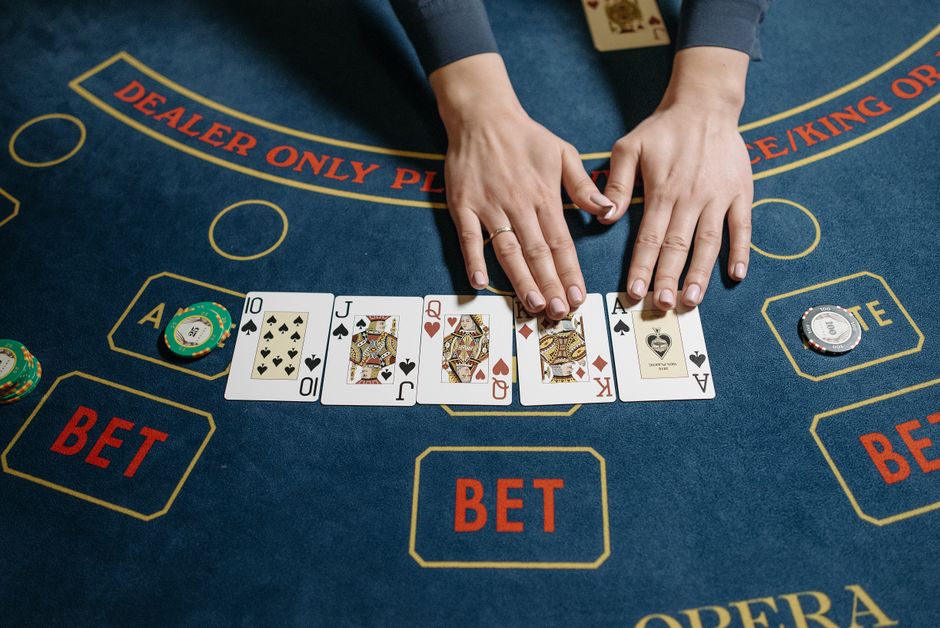
Poker is different. You’re not playing against the house—you’re playing against other people, and the house takes a rake (a small cut of each pot). In the long run, the better player wins. But variance in poker is a beast, especially in tournaments. A world-class player might go 20 tournaments without a final table. A novice might win one in their first week. That’s variance.
Cash games, however, smooth things out. If you have a win rate of 5 big blinds per 100 hands (a solid win rate), you can still lose 10 buy-ins in a single session. That’s normal. The key is volume. Over 100,000 hands, your win rate becomes statistically reliable. Over 1,000 hands, it’s noise.
Three practical adjustments to manage poker variance
- Track your hands. Use software like PokerTracker or Hold’em Manager. If you don’t know your actual win rate, you’re flying blind.
- Play within your bankroll. For cash games, have at least 20 buy-ins for the stake you’re playing. For tournaments, 50–100 buy-ins. This prevents ruin during downswings.
- Study, don’t just grind. Variance punishes the unprepared. Review your big losses. Were they bad beats or bad decisions? The latter is fixable.
One more thing: poker is not a slot machine. You can’t force a win. The best players fold more than they play. They pick spots. If you’re bored, you’re losing. It is also worth checking slot dana before deciding.
Sports Betting: Information Is Your Only Weapon
Sports betting offers the illusion of control. You study form, injuries, weather. But the bookmaker has already priced all that in. The margin—the vig—is typically 4–6% on a standard two-way market. That’s your hurdle. To beat it, you need an edge that the market has mispriced.
Sharp bettors focus on niche markets: lower-league soccer, college basketball, or player props. They line-shop across multiple books to get the best price. A half-point difference in NFL spreads can turn a losing bet into a winning one. But here’s the cold truth: most recreational bettors lose. A 2021 study of Australian sports bettors found that over 99% of accounts lost money over a 12-month period. The ones who won? They treated it like a business.
- Use closing line value (CLV) as your scorecard. If you consistently bet before the line moves in your favor, you’re likely a long-term winner.
- Specialize. Don’t bet on every sport. Pick one league and become an expert on it.
- Ignore accumulators. Parlays are the house’s best friend. Each leg multiplies the edge against you.
The variance in sports betting feels lower because outcomes are binary and you wait days for results. But the house edge is relentless. Without a genuine informational edge, you’re just donating.
The Cross-Vertical Truth: Bankroll Management Beats Everything
Whether you’re spinning slots, grinding poker, or betting on Bundesliga, your bankroll is your lifeblood. Most players fail not because they lack skill, but because they bet too big relative to their funds. A 5% bet size on a high-variance slot might wipe you out in 20 spins. A 5% bet on a poker cash game is fine. A 5% bet on a longshot parlay is financial suicide.
Here’s a simple framework:
- Slots: 1–2% of bankroll per spin.
- Poker cash: 5% of bankroll per buy-in (20 buy-ins total).
- Poker tournaments: 1–2% per buy-in (50–100 buy-ins total).
- Sports betting: 1–3% per bet, and never chase losses.
These numbers aren’t magic. They’re about surviving variance long enough for your edge (if you have one) to materialize. In slots, you have no edge—so use the smallest bet size that keeps you entertained. In poker and betting, your edge is real but fragile. Protect it.
Why the Psychological Trap Is Worse Than the Math
Variance messes with your head. A slot player wins three bonuses in a row and thinks they’ve cracked the code. A poker player loses with aces against kings and starts playing junk. A bettor goes 8-0 on a Sunday and doubles their stake next week, only to lose it all. This is called recency bias—the tendency to weigh recent events more heavily.
The antidote is data. Keep a spreadsheet. Track your results over 500 bets or 10,000 poker hands. You’ll see that short-term swings are meaningless. The only number that matters is your long-term expectation. If that number is negative (and for most slot players, it always is), then no bankroll strategy will save you. Play for fun, not for profit. If you’re playing poker or betting, and your tracking shows a positive expectation, then patience is your greatest asset.
Variance is not your enemy. It’s the price of admission. Without it, there’d be no stories, no thrill, no edge. The players who last are the ones who respect it, plan for it, and never let a single session define their strategy. That’s the real inside knowledge—not a hot slot, not a sure-thing parlay, but the quiet discipline of knowing that the next spin, the next hand, the next kickoff is just one data point in a very long series.